A budget is not about restricting your spending — it’s about making intentional decisions about where your money goes. The right budget method is the one you’ll actually use.
The 50/30/20 Rule
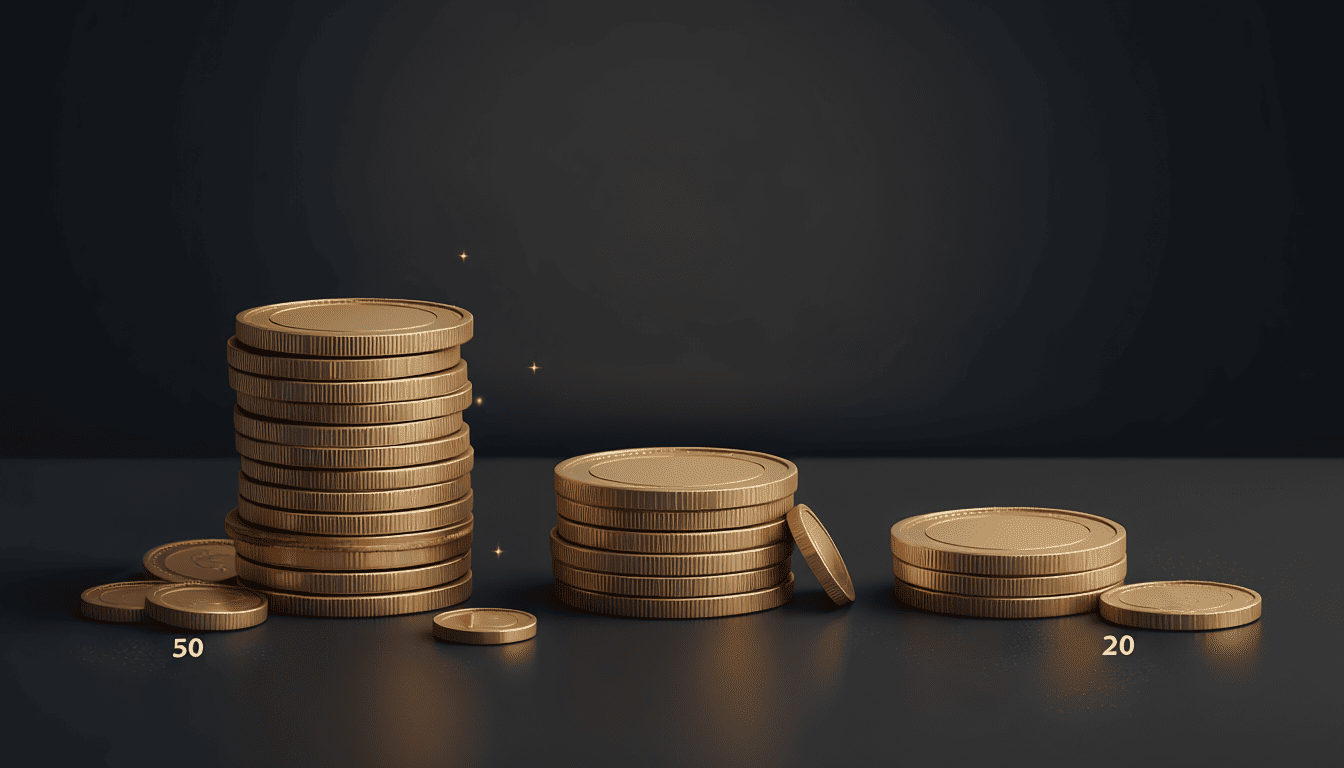
Allocate your after-tax income as:
- 50% to Needs: rent/mortgage, groceries, utilities, minimum debt payments, transportation
- 30% to Wants: dining out, entertainment, subscriptions, hobbies, travel
- 20% to Savings and Investments: emergency fund, TFSA, RRSP, extra debt payments
Example on $4,000/month take-home pay:
| Category | Allocation | Monthly Amount |
| Needs | 50% | $2,000 (rent, groceries, utilities, transit) |
| Wants | 30% | $1,200 (dining, entertainment, subscriptions) |
| Savings & Debt | 20% | $800 (TFSA contribution + emergency fund) |
The 50/30/20 Problem in Major Canadian Cities
In Toronto and Vancouver, housing alone can consume 50%+ of take-home pay. In these cases, adjust to 70/10/20 until you increase income or reduce housing costs — but protect the 20% savings rate religiously.
Alternative Budget Methods
Zero-Based Budgeting: Every dollar is assigned a job. Income – all allocations = $0. Best for: People who overspend, want maximum control. App: YNAB ($15/month).
Pay Yourself First: Invest/save your target amount immediately on payday, then spend the rest freely. Best for: People who hate detailed budgeting. App: Set up automatic transfer on payday.
Envelope Method (Digital): Divide budget into categories (envelopes). When one runs out, no more spending in that category. App: Goodbudget, YNAB.
The Budget That Actually Works
The best budget is the one you actually maintain. If you hate detailed tracking, Pay Yourself First is likely better than a complex category budget. If you tend to overspend, zero-based gives you the most control.
| Disclaimer: This article is for educational purposes only and does not constitute financial advice. All investments carry risk. Please consult a qualified financial advisor before making investment decisions. |