Understanding Inflation — How It Erodes Your Savings (And What to Do)
Inflation is the silent wealth destroyer. Money sitting in a 0.5% savings account during a 3%...
Read More
Inflation is the silent wealth destroyer. Money sitting in a 0.5% savings account during a 3%...
Read More
Building credit from zero takes 6–12 months to establish a basic score and 18–24 months to reach...
Read More
Canadians pay an average of $180–240/year in banking fees. Here’s how to stop overpaying....
Read More
A budget is not about restricting your spending — it’s about making intentional decisions...
Read More
You have savings sitting idle. Three main options compete for it: High-Interest Savings Accounts...
Read More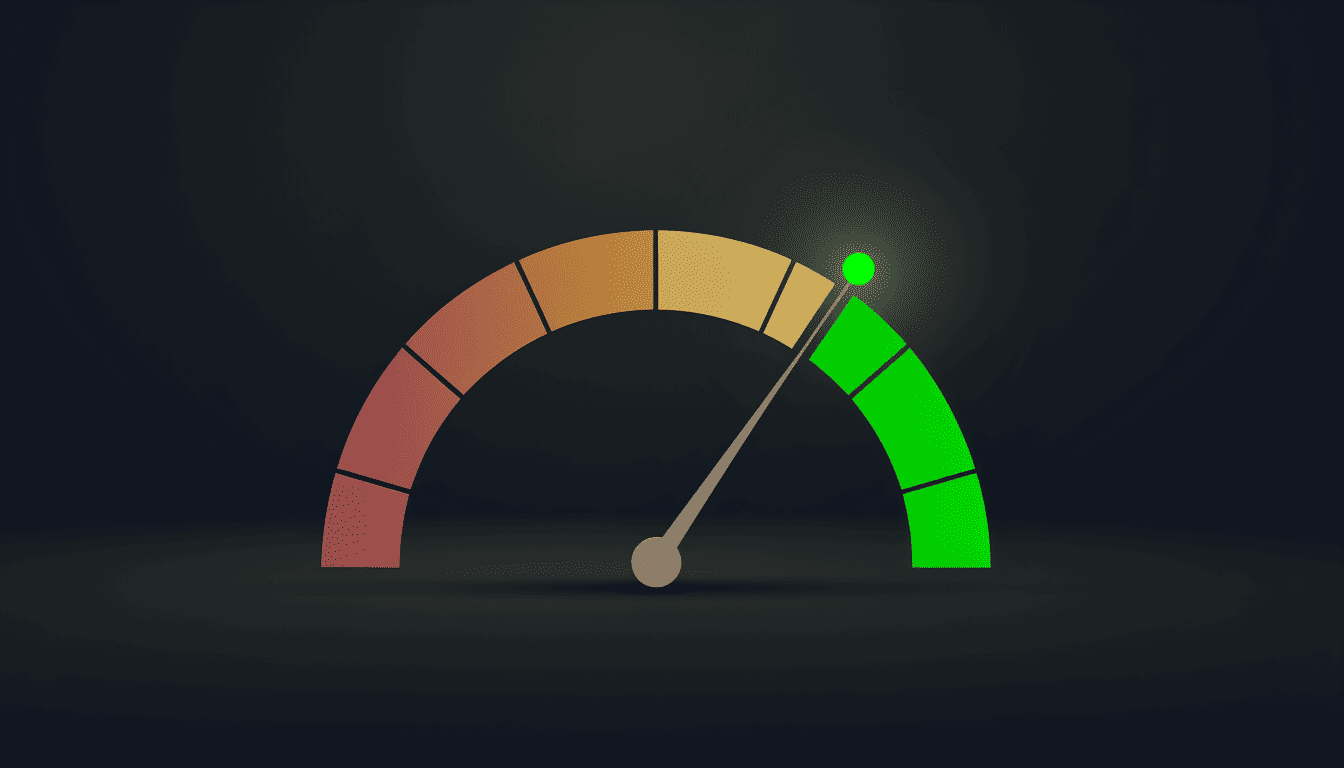
A credit score is a three-digit number between 300 and 900 in Canada (300–850 in the US) that...
Read More
Carrying high-interest debt is the single biggest obstacle to building wealth. A $10,000 credit...
Read More
The right cash back credit card earns you $400–1,000+ per year on purchases you’re already...
Read More
The average traditional bank savings account pays 0.4–0.6% APY. High-yield savings accounts...
Read More
Your credit score is one of the most valuable numbers in your financial life. A score of 750+...
Read More