“Not your keys, not your coins” is the most important principle in crypto. When your crypto sits on an exchange, the exchange holds the private keys — not you. A crypto wallet lets you take true ownership. Here’s what you need to know.
Hot Wallets vs Cold Wallets
| Type | Connected to Internet? | Security Level | Convenience | Best For |
| Hot Wallet (Software) | Yes — always online | Medium | High | Small/medium amounts, frequent trading |
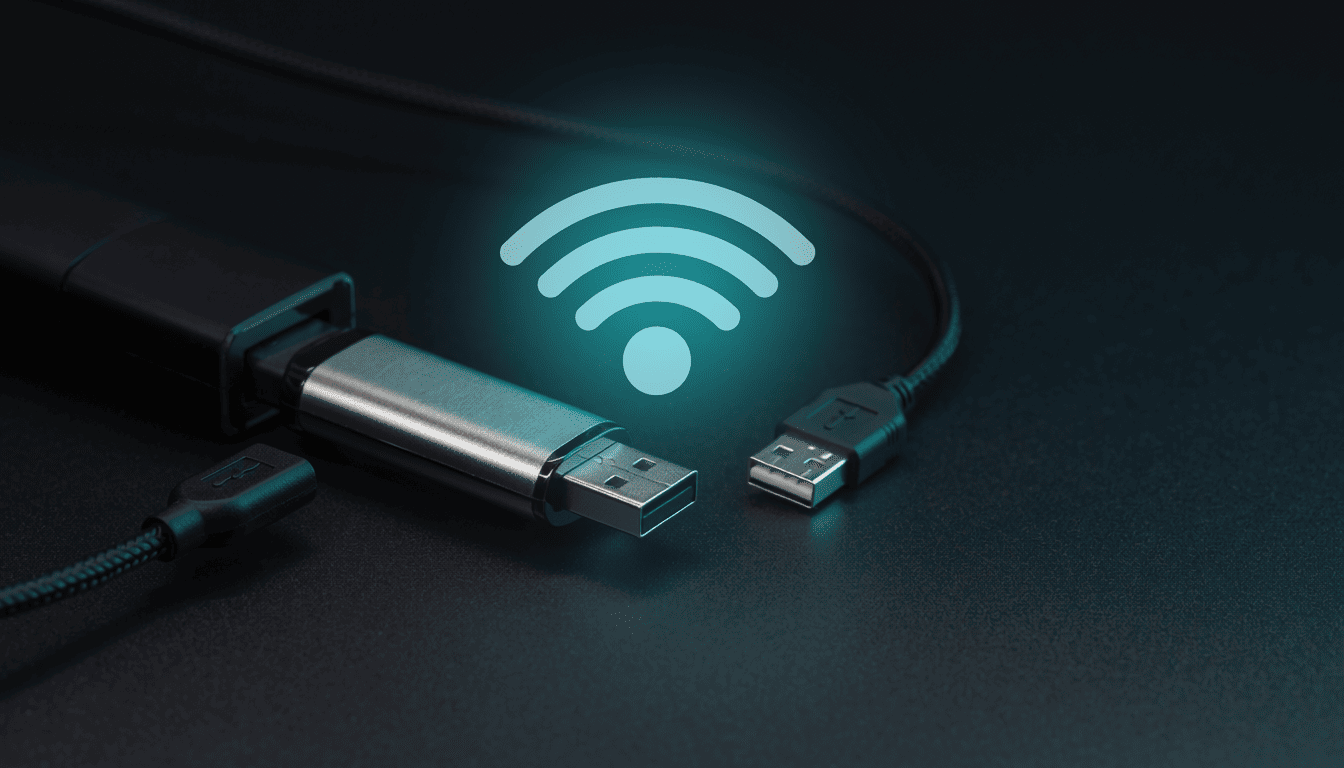
| Cold Wallet (Hardware) | No — offline storage | Very High | Medium | Large amounts, long-term holding |
| Exchange Wallet | Yes — custodial | Depends on exchange | Highest | Active traders using reputable exchanges |
Best Hot Wallets in 2026
- MetaMask — Best for Ethereum and ERC-20 tokens, browser extension + mobile
- Trust Wallet — Best mobile wallet, supports 100+ blockchains
- Coinbase Wallet — Best for Coinbase users, easy recovery
Best Hardware (Cold) Wallets in 2026
- Ledger Nano X — Best overall, Bluetooth, supports 5,500+ assets
- Ledger Nano S Plus — Budget option, USB-C, supports same assets
- Trezor Model T — Open-source alternative, touchscreen
| AFFILIATE LINK PLACEMENTS
Ledger 10% of sale value — After hardware wallet recommendations — direct product match |
When Do You Need a Hardware Wallet?
For amounts under $1,000 on a reputable exchange (Kraken, Coinbase): an exchange wallet is fine. For amounts over $5,000 or crypto you plan to hold for years: a hardware wallet is strongly recommended. The $60–150 cost of a Ledger is cheap insurance on a significant crypto position.
How to Set Up a Hardware Wallet Safely
- Purchase directly from the manufacturer (ledger.com) — never from third parties
- Set up on a clean computer or phone — not a shared device
- Write down your 24-word seed phrase on paper — never digital
- Store your seed phrase in a fireproof location — separate from the device
- Test with a small transaction before moving large amounts
| Disclaimer: This article is for educational purposes only and does not constitute financial advice. All investments carry risk. Please consult a qualified financial advisor before making investment decisions. |