
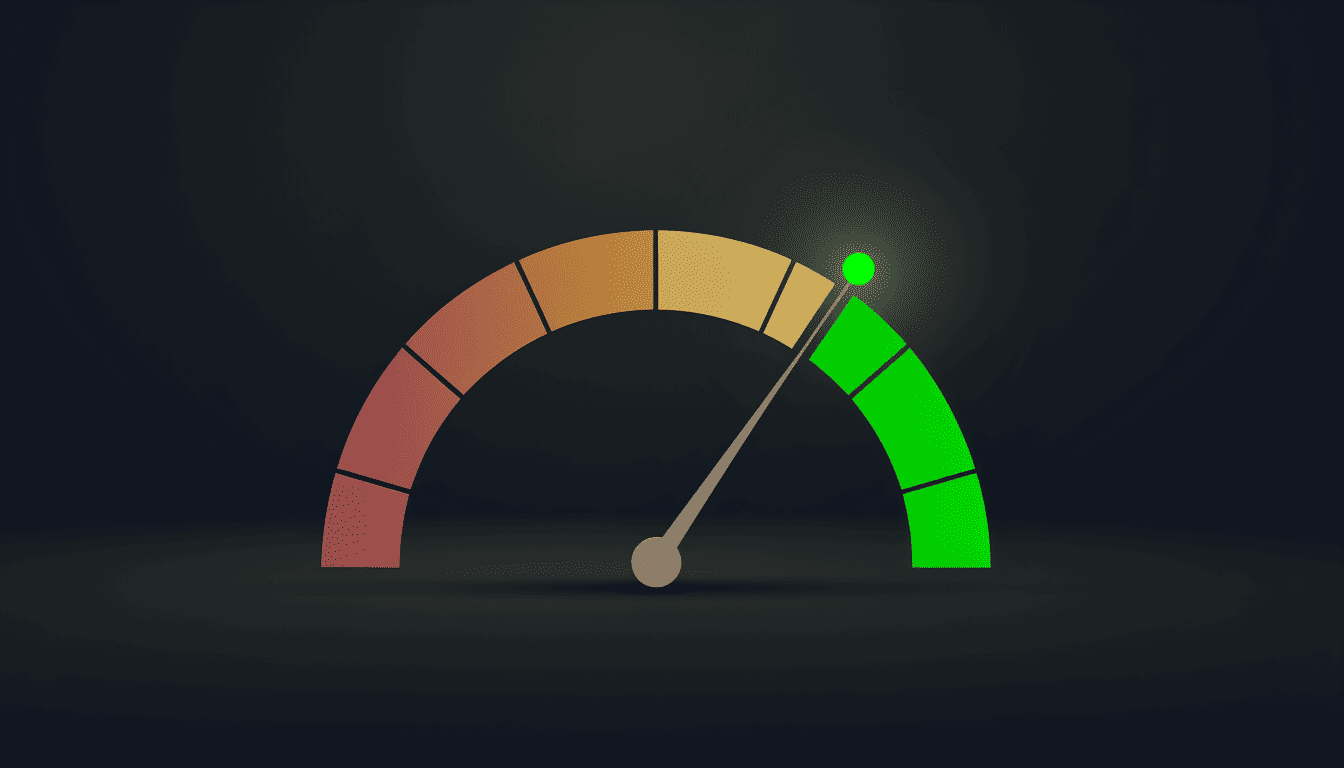
A credit score is a three-digit number between 300 and 900 in Canada (300–850 in the US) that summarizes your creditworthiness. Lenders use it to decide whether to approve your loan application and at what interest rate.
Who Creates Your Credit Score?
In Canada, two credit bureaus — Equifax and TransUnion — collect your credit history and calculate scores independently. Lenders may check one or both. Your scores from each bureau may differ slightly because not all lenders report to both.
The Five Factors (Canada/US)
| Factor | Weight | Key Actions |
| Payment history | 35% | Never miss a payment. Set autopay immediately. |
| Credit utilization | 30% | Keep below 30%. Under 10% is ideal. |
| Length of history | 15% | Keep old accounts open. Age = good. |
| Credit mix | 10% | Cards + installment loans = diverse mix |
| New inquiries | 10% | Limit applications. Each one = small dip. |
How to Check Your Score for Free
- Borrowell — Free weekly Equifax score + monitoring (Canada)
- Credit Karma Canada — Free TransUnion score + reports
- Equifax.ca — Free annual report directly from the bureau
- Many major banks now include free credit score in their app
| AFFILIATE LINK PLACEMENTS
Borrowell $20–40 CPA — Check score section — direct product match for free Canadian credit monitoring |
What Moves Your Score Most — In Order
- A missed payment: -50 to -100 points (hardest to recover)
- Maxed out credit card: -40 to -80 points
- New hard inquiry: -5 to -15 points (temporary, recovers in 6–12 months)
- New account: -5 to -10 points (short-term, helps long-term)
- Closed oldest account: -5 to -25 points (avoid this)
| Disclaimer: This article is for educational purposes only and does not constitute financial advice. All investments carry risk. Please consult a qualified financial advisor before making investment decisions. |